The best microphones for podcasting range from simple USB desk setups to dynamic mics that can move into an XLR studio chain. Choose by how you record today, how much control you want during a session, and whether you need a stand or arm in the box.
Quick Top Products
MAONO PD300X Dynamic Microphone
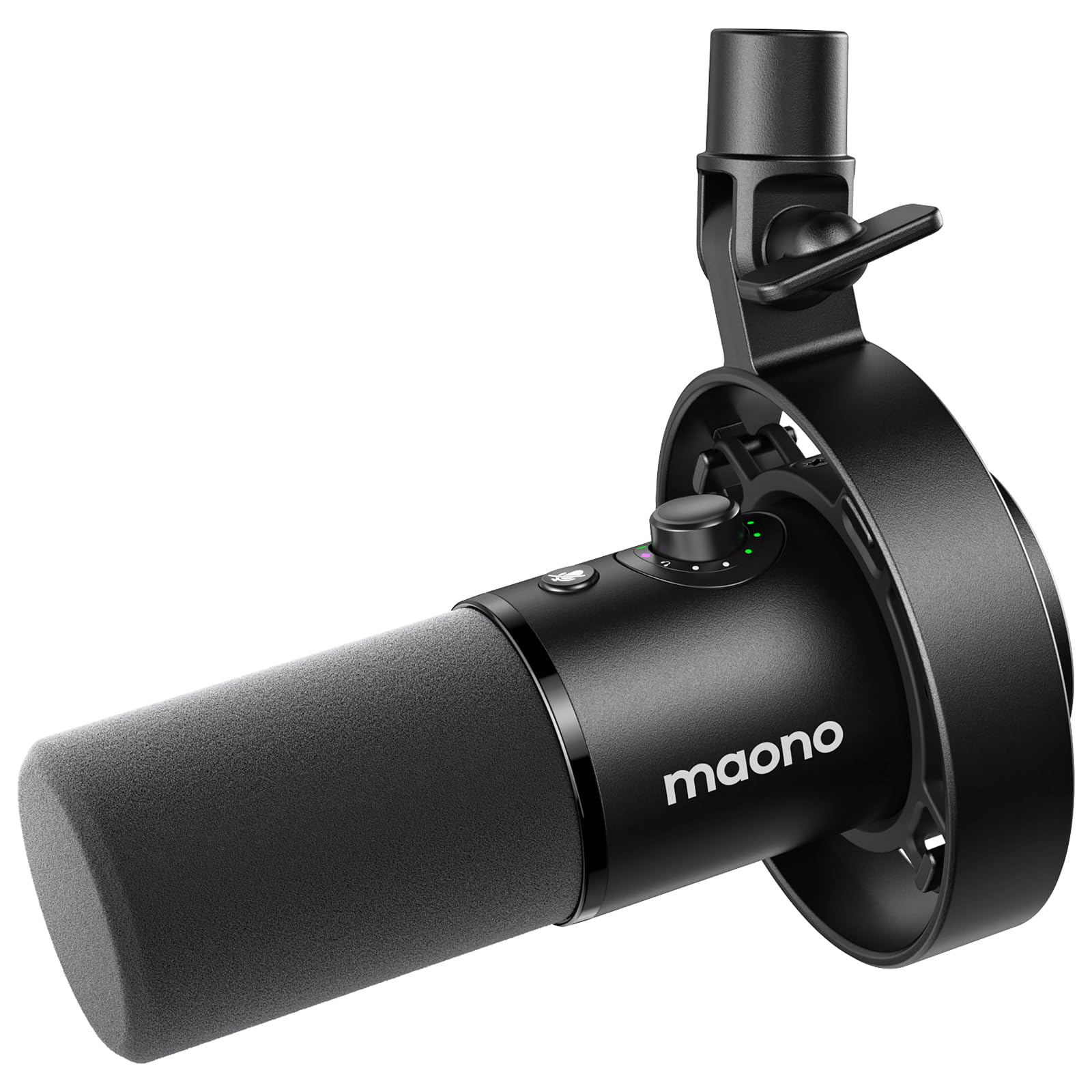
- Connect by USB or XLR for computer recording or a mixing-console setup.
- Adjust EQ, limiters, compressors, and high-pass filters in MAONO Link.
- Use the smart knob for gain, headphone volume, and monitoring.
Best For: Podcasters who want USB convenience now and software control or XLR connectivity as their setup grows.

MAONO PD400X Dynamic Microphone
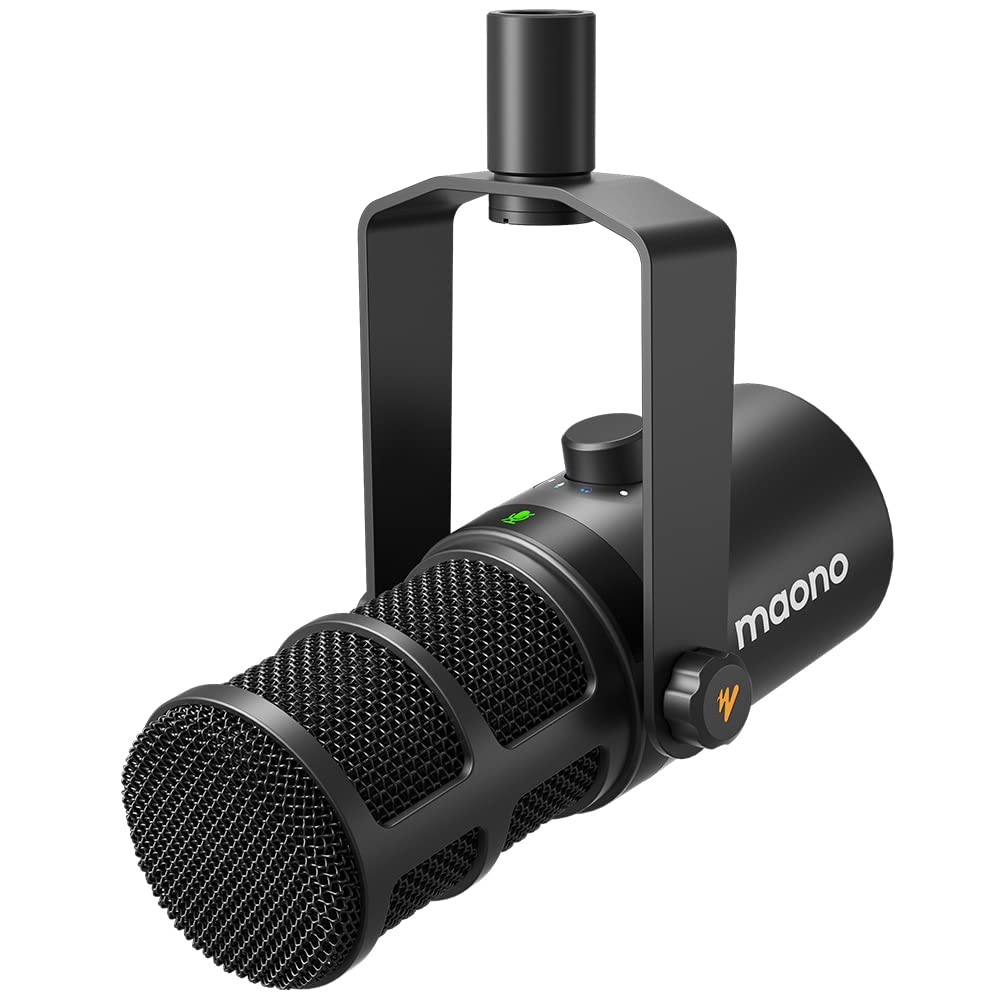
- USB is plug and play; XLR connects to interfaces, mixers, or a portable PA system.
- Advanced Mode provides EQ, limiter, compressor, and monitor-mix controls.
- A touch mute key has an LED indicator.
Best For: Podcasters seeking a dynamic mic with on-mic controls, USB software settings, and a path to XLR equipment.
Samson Q2U Dynamic Microphone
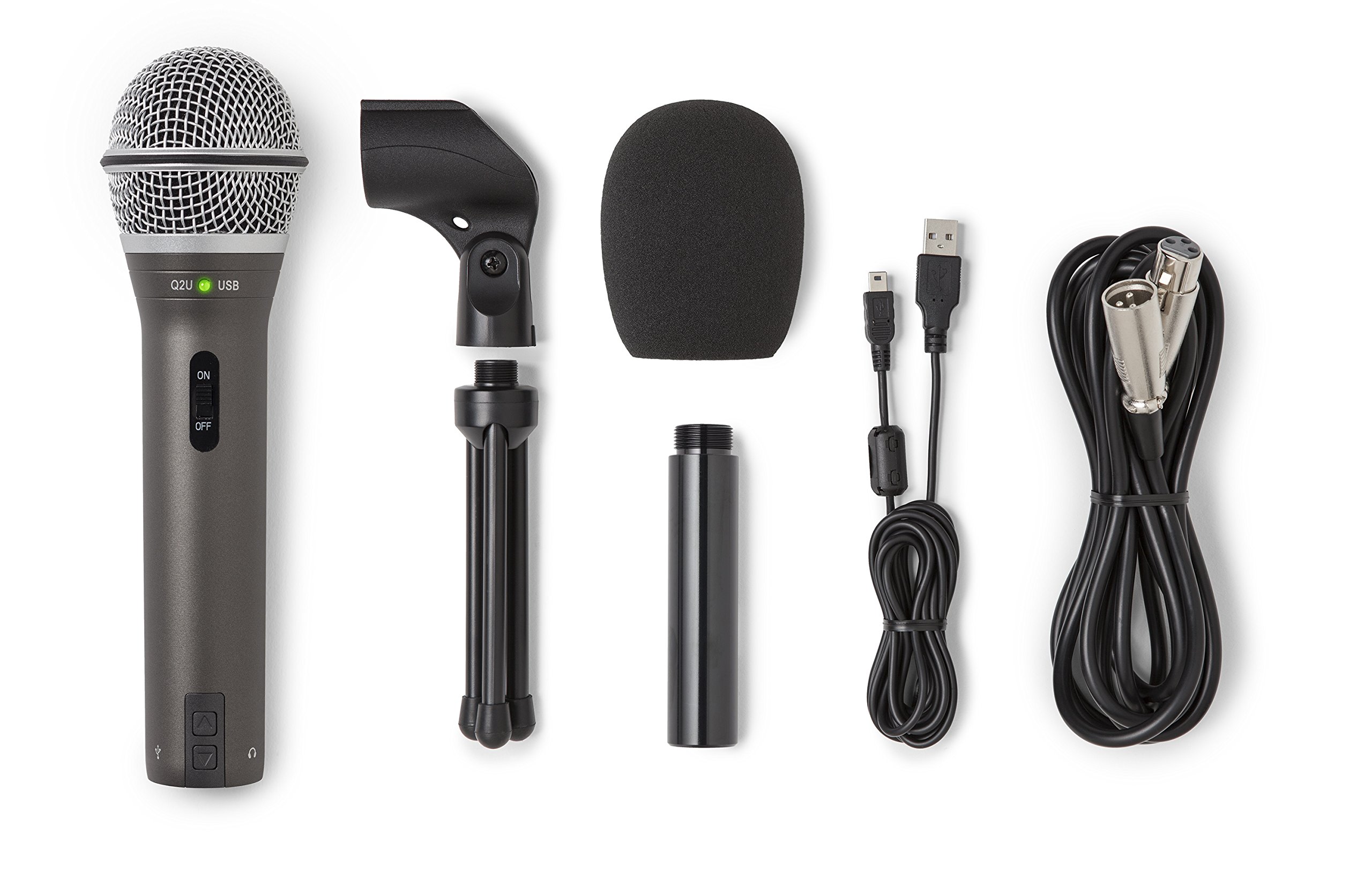
- Dynamic handheld design has both USB-C and XLR plugs.
- It plugs directly into a computer with a USB-C interface.
- Includes a desktop tripod, windscreen, and both USB-C and XLR cables.
Best For: New podcasters who want a handheld dynamic mic with both computer and XLR connections plus basic desktop accessories.
FIFINE AmpliTank K688 Dynamic Microphone
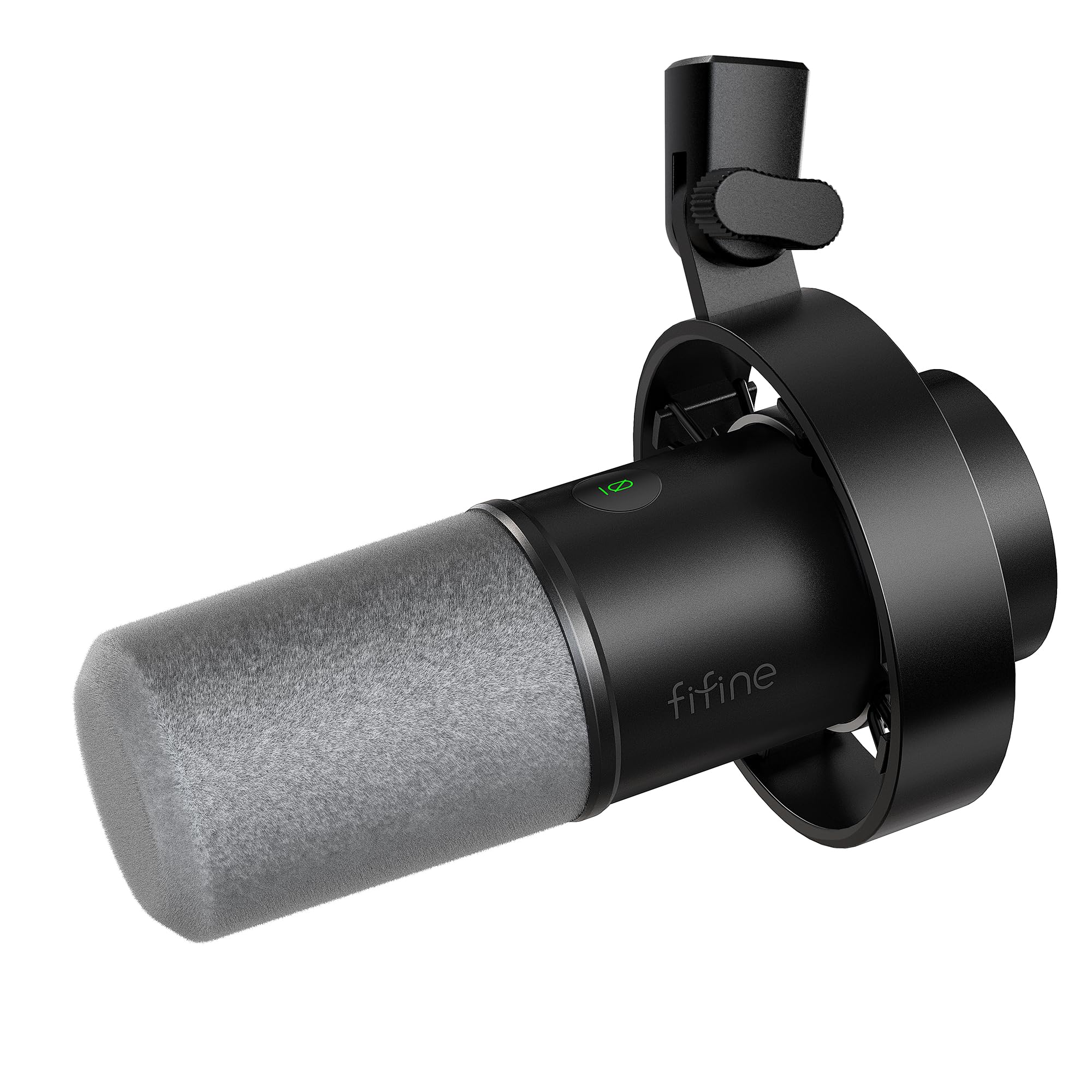
- Choose USB or XLR connection for computer recording or audio gear.
- USB mode provides tap-to-mute, a gain knob, and headphone monitoring.
- Includes a shock mount, windscreen, USB cable, and thread adapter.
Best For: Podcasters who want USB controls and headphone monitoring in a dynamic mic, with an XLR option for later.
FIFINE AmpliTank K688P Dynamic Microphone
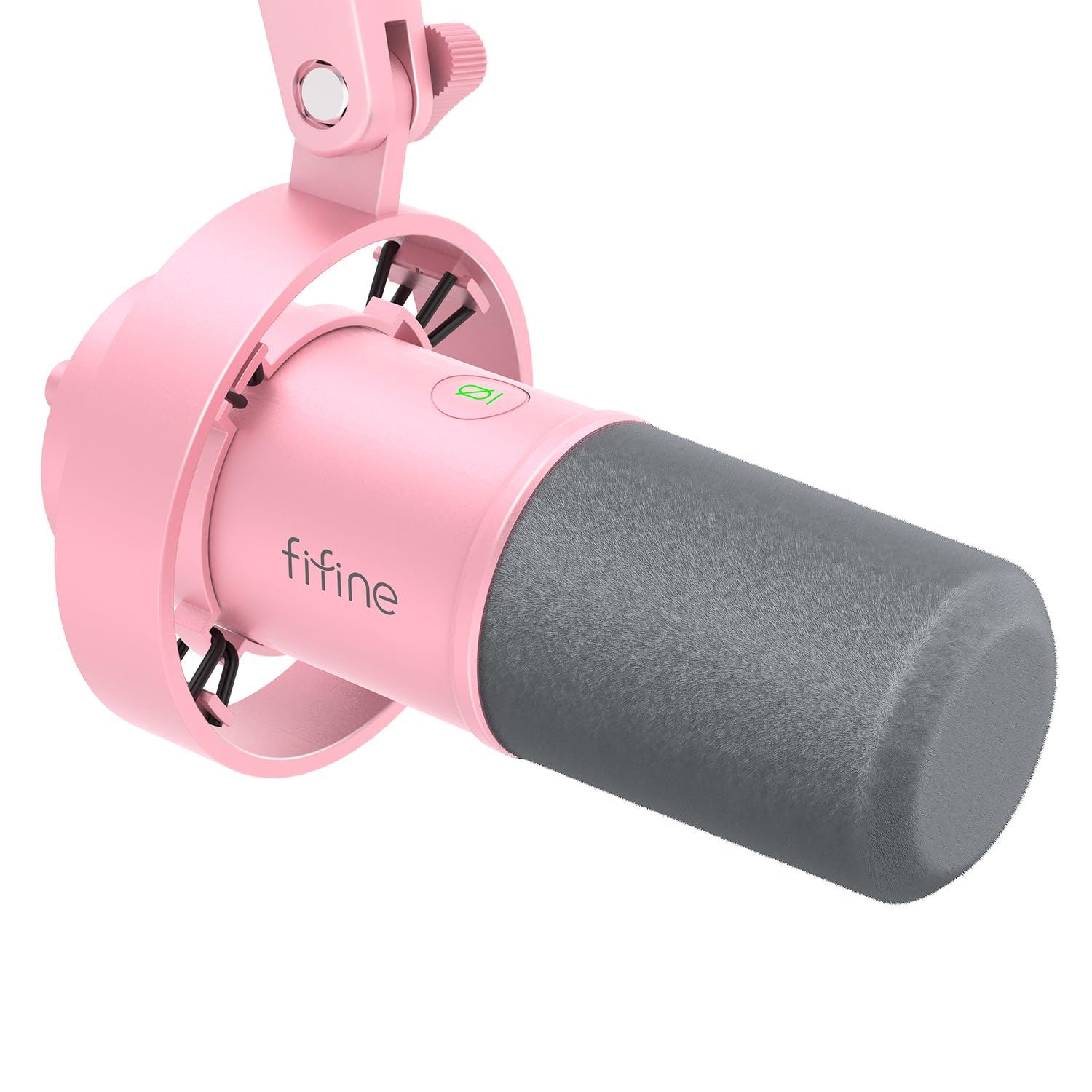
- USB and XLR connections support computer and mixer/interface setups.
- USB mode includes mute, volume, and headphone monitoring controls.
- The microphone comes with a shock mount, USB cable, and thread adapter.
Best For: Podcasters wanting USB and XLR flexibility, USB monitoring controls, and a pink microphone finish.
FIFINE AmpliGame AM8T Dynamic Microphone Set
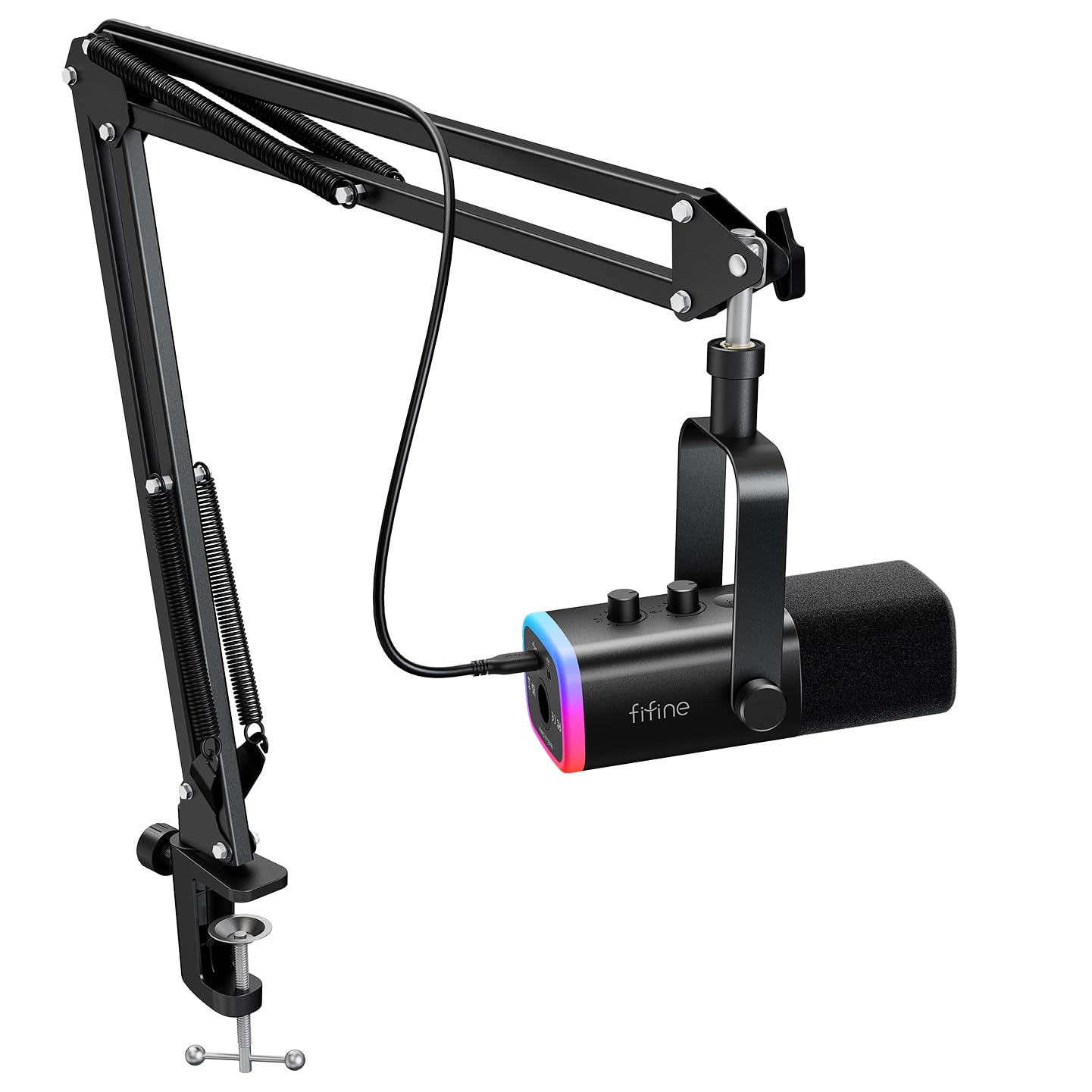
- Connect over USB or XLR for computer or mixer use.
- Includes a boom arm for positioning the mic at the desk.
- USB mode has mute, gain, headphone monitoring, and volume controls.
Best For: Podcasters building a desk setup who want a dynamic USB/XLR mic with a boom arm and USB monitoring controls in the package.
FIFINE AmpliGame AM8 White
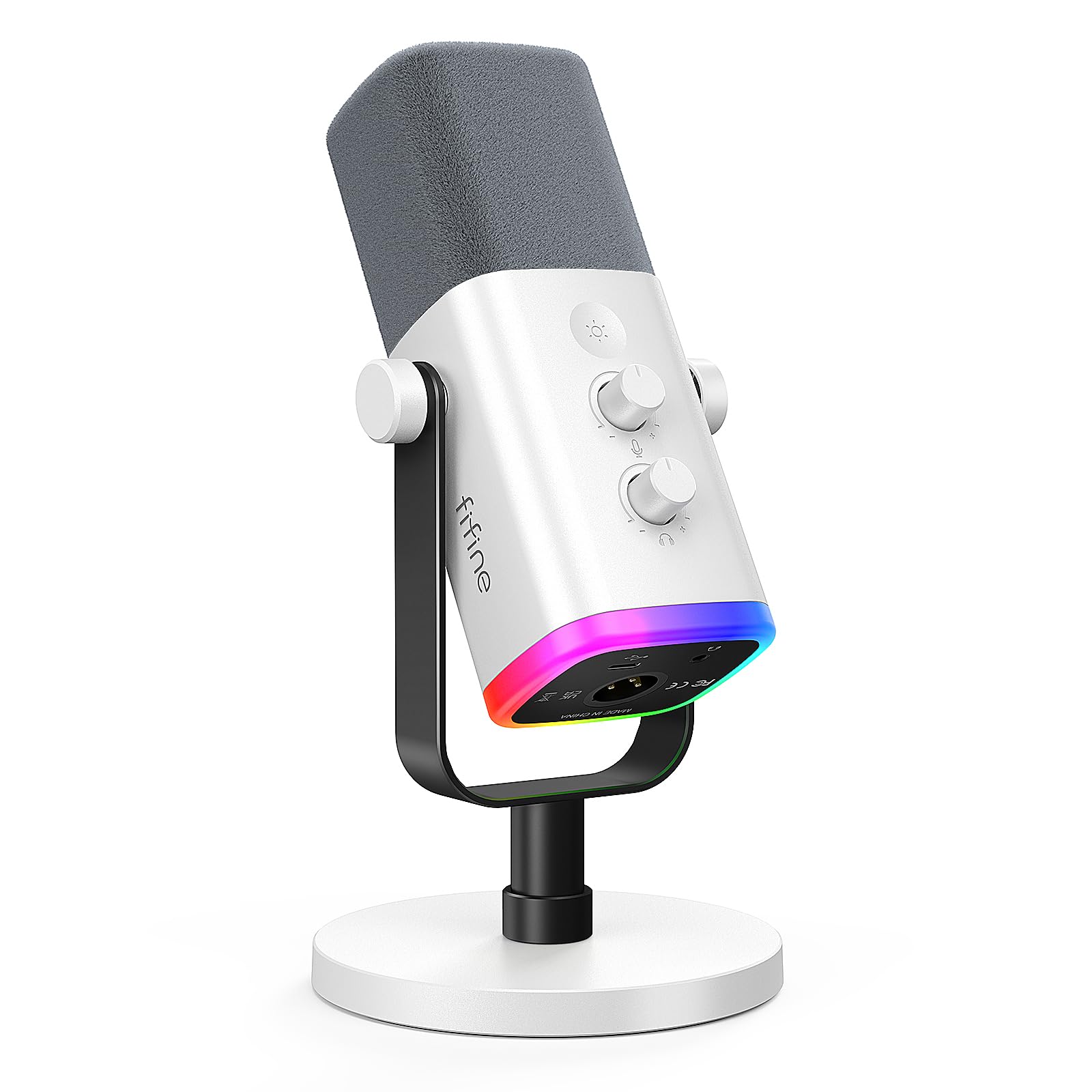
- Connect through USB or XLR to compatible devices.
- USB mode provides mute, gain, and headphone controls.
- The suggested recording range is 2 to 6 inches.
Best For: Podcasters who want a compact white dynamic mic with USB controls and the option to connect by XLR later.
MAONO PD100 XLR Podcast Microphone
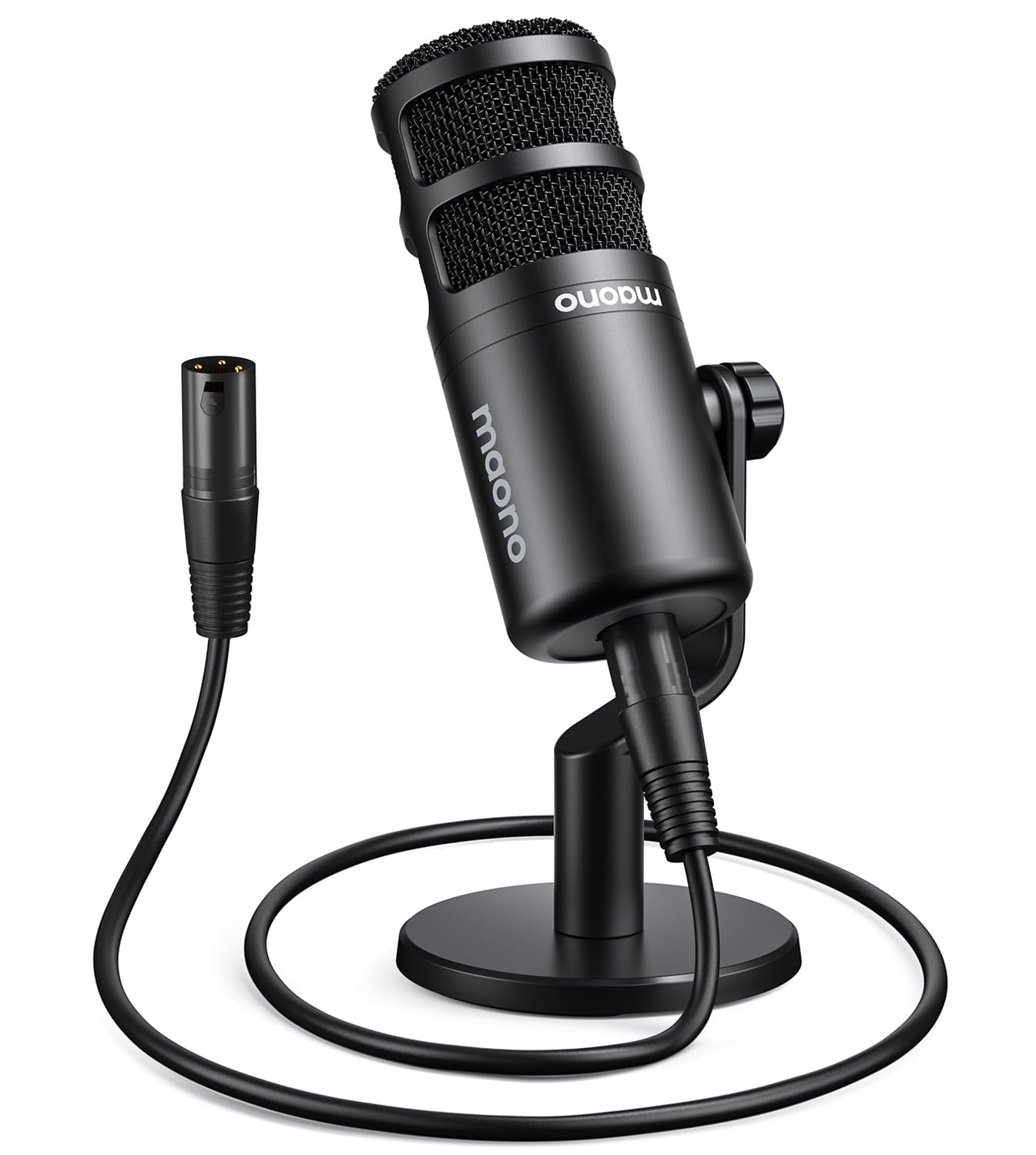
- Dynamic XLR microphone for use with an interface, mixer, or sound card.
- Includes desktop stand, rod extender, metal base, and XLR cable.
- Its cardioid pickup is designed for speaking toward the mic top.
Best For: Podcasters with an interface or mixer who want a dynamic XLR mic and desktop stand included.
SteelSeries Alias USB Microphone
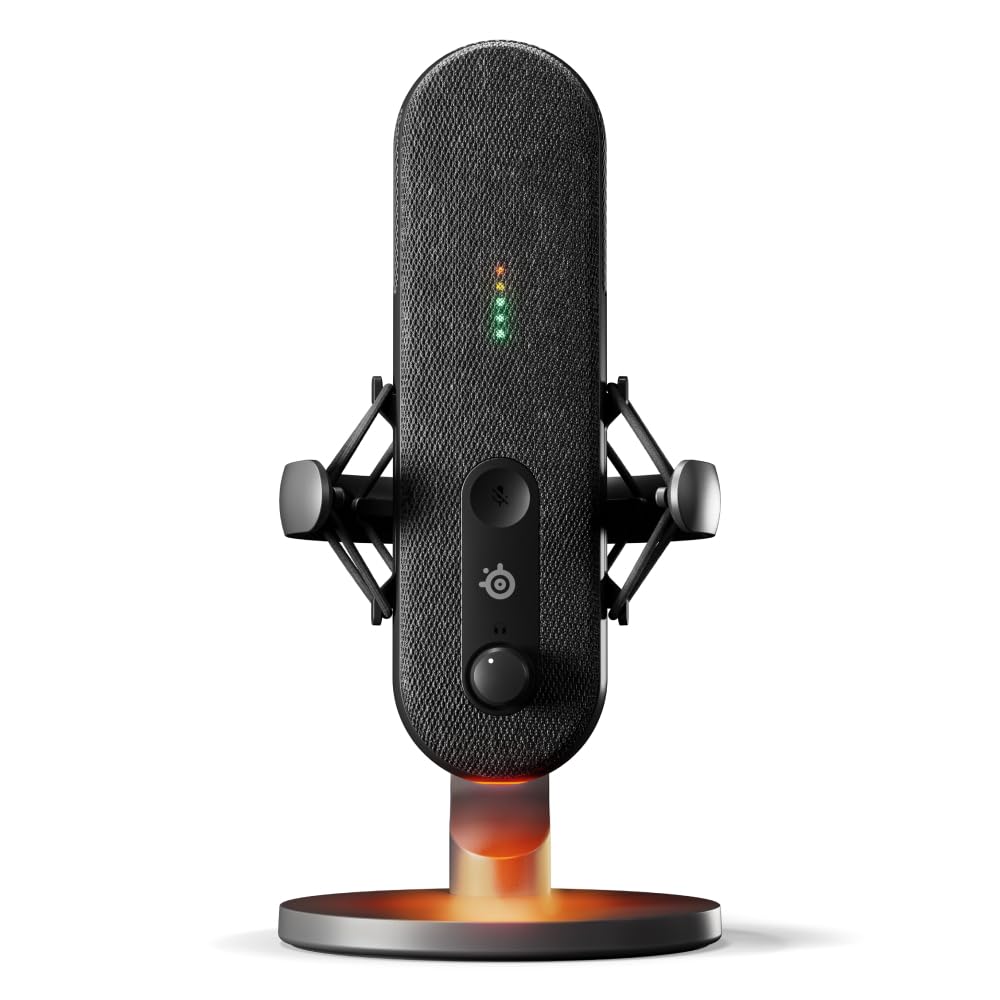
- Sonar software includes mixing, app routing, and AI noise cancellation.
- LED lighting indicates audio levels and mute status.
- Integrated shock mount is compatible with the included desktop stand.
Best For: Podcasters who want a USB microphone with visible mute and audio-level cues plus included software features.
Flexible USB/XLR Recording
MAONO Dynamic Microphone-XLR USB Podcast Recording Mic: for Vocal Recording, Content Creation, Home Studio, Voiceover, with 192kHz/24bit, Noise Reduction, Mic Gain, Monitoring, Mute (PD300X)
The MAONO PD300X combines USB and XLR connections with controls suited to a more adjustable recording workflow. In USB mode, Maono Link provides a visual EQ panel, limiters, compressors, high-pass filters, and preset modes, while a smart knob manages gain, headphone volume, and monitoring.
A noise-reduction mode and foam filter address common room and vocal distractions. The USB/XLR design lets it connect directly to a computer or to mixing equipment.
Its many options suit podcasters who like shaping a sound, though the software controls and settings may be more than a simple plug-in-and-record setup needs.
Best For: Podcasters who want USB convenience now and software control or XLR connectivity as their setup grows.
| Pros | Cons |
|---|---|
|
|
Choose the PD300X if software shaping and a future XLR connection matter as much as getting started over USB. Its controls and noise-reduction mode offer flexibility for a home recording workflow, but the record does not identify included mounting hardware.
Check what stand or arm you need, and confirm the computer connection and software compatibility before buying.
App-Controlled Dynamic USB/XLR
MAONO Dynamic Microphone, USB/XLR Podcast PC Microphone with Software, EQ,Tap-to-Mute, Headphone Jack, Gain Knob & Volume Control, Studio Mic for Broadcast, Recording, Streaming & Gaming (PD400X)
The MAONO PD400X is a dynamic podcast microphone built around USB and XLR use. USB setup is plug and play, with the Maono Link app adding tone and distance choices in Standard Mode and gain, EQ, limiter, compressor, and monitor-mix adjustments in Advanced Mode.
A three-in-one knob controls gain, headphone volume, and monitor mix, and a touch mute key has an LED indicator. XLR output connects to interfaces, mixers, or portable PA systems.
This is a feature-rich choice for recording and streaming, but the record does not identify included mounting hardware or cables, so plan the desk setup before ordering.
Best For: Podcasters seeking a dynamic mic with on-mic controls, USB software settings, and a path to XLR equipment.
| Pros | Cons |
|---|---|
|
|
Pick the PD400X if you want to adjust tone and monitoring in software and may use an XLR mixer later. It provides a broader set of controls than a basic plug-and-play mic, while the supplied notes do not settle what mounting pieces or cables come in the package.
Check those details and whether you want to use its USB app controls before choosing it for a compact desk.
Handheld USB-C and XLR Starter
Samson Q2U Dynamic USB-C/XLR Microphone
The Samson Q2U is a dynamic handheld microphone with USB-C and XLR connections, making it a practical bridge between a computer-based podcast and an interface-based setup. It plugs directly into a computer with a USB-C interface and includes a tripod desktop stand, extension, mic clip, windscreen, USB-C cable, and XLR cable.
That package covers more of the basic setup than a microphone-only purchase. The supplied details do not mention software controls, a headphone jack, or an included boom arm, so check those points if hands-free placement or live monitoring is important to your recording routine.
Best For: New podcasters who want a handheld dynamic mic with both computer and XLR connections plus basic desktop accessories.
| Pros | Cons |
|---|---|
|
|
Choose the Q2U if a handheld dynamic mic and a usable starter package are priorities. Its included USB-C and XLR cables make it adaptable across two connection styles, while its supplied accessories center on desktop tripod use.
If you record standing or want the mic positioned off the desk, check for a compatible arm; also confirm whether direct headphone monitoring is part of your intended workflow.
Dynamic Mic with Monitoring Controls
FIFINE Dynamic Microphone, XLR/USB Podcast Recording PC Microphone for Vocal Voice-Over Streaming, Studio Metal Mic with Mute, Headphone Jack, Monitoring Volume Control, Windscreen-Amplitank K688
The FIFINE AmpliTank K688 combines USB and XLR connectivity with a dynamic capsule, a cardioid pattern, and front-panel controls. In USB mode, the tap-to-mute, gain knob, headphone jack, and headphone volume control support adjustments during a recording session.
Its windscreen and shock mount are intended to address plosive sounds and desk vibration. The microphone connects directly to a computer by USB, while XLR supports an interface or mixer.
The box includes a USB cable and adapter, but no arm, mic stand, or XLR cable, so the package suits buyers who already have mounting gear or are ready to add it.
Best For: Podcasters who want USB controls and headphone monitoring in a dynamic mic, with an XLR option for later.
| Pros | Cons |
|---|---|
|
|
Choose this K688 if you want a dynamic USB mic with direct monitoring and expect to use its mute and gain controls over USB. XLR provides another connection route, but the useful USB controls do not carry over to that mode.
Since the package omits a stand, arm, and XLR cable, verify that you have or can add the mounting and cabling required for your recording desk.
Pink USB/XLR Voice Recording
FIFINE XLR/USB Dynamic Microphone, Studio XLR Vocal Podcast Microphone for Recording, USB Streaming Mic with Mute Button, Gain Knob, Headphones Monitoring for Voice-Over, Video-Amplitank K688 Pink
The FIFINE AmpliTank K688P offers a dynamic cardioid microphone in a pink finish, with both USB and XLR connections. Over USB, it has mute and volume controls plus a headphone jack and monitoring-volume knob; XLR connects through an audio interface or mixer.
The supplied shock mount and windscreen are intended to reduce desk vibration and plosive harshness. Its USB cable and thread adapter are included, but an arm, mic stand, and XLR cable are not.
This can work for a home podcast setup with existing mounting gear, although anyone building from scratch should account for those missing pieces and the USB-only controls.
Best For: Podcasters wanting USB and XLR flexibility, USB monitoring controls, and a pink microphone finish.
| Pros | Cons |
|---|---|
|
|
The K688P suits a podcaster who wants the pink finish and USB controls while retaining an XLR route for later. It includes a shock mount and USB cable, but leaves the stand or arm and XLR cable to you.
Consider whether USB-only access to the mute and monitoring controls matches how you record. Confirm mounting compatibility and connection needs before buying.
Dynamic Mic Kit with Boom Arm
FIFINE XLR/USB Gaming Microphone Set, Dynamic PC Mic for Streaming Podcasting, Computer RGB Mic Kit with Boom Arm Stand, Mute Button, Headphones Jack, for Recording Vocal Voice-Over-AmpliGame AM8T
The FIFINE AmpliGame AM8T combines a dynamic mic with a boom arm, making it a practical podcasting kit for a desk that can take a clamp. It connects over USB for plug-and-play computer recording or by XLR to a mixer or sound card.
In USB mode, the mic has a mute button, gain knob, headphone jack, and headphone-volume control, plus customizable RGB lighting. Its cardioid pattern and external windscreen support close voice recording.
The desk clamp fits surfaces under 2 inches thick, and the package does not include an XLR cable, so check desk fit and any planned XLR connection before ordering.
Best For: Podcasters building a desk setup who want a dynamic USB/XLR mic with a boom arm and USB monitoring controls in the package.
| Pros | Cons |
|---|---|
|
|
Choose the AM8T if you want a boom arm in the box and can mount its clamp to your desk. USB provides the gain, mute, and headphone controls, while XLR supports a mixer or sound card connection.
The included arm reduces the need for a separate mounting purchase, but its clamp fit and absent XLR cable matter. Check both before committing to a studio-style connection.
Compact Dynamic Mic with Dual Outputs
FIFINE XLR/USB Gaming Microphone for Streaming Podcasting, PC Computer RGB Mic, with Gain Knob, Mute Button, Monitoring Jack, Gamer Mic for Recording Video Creation-AmpliGame AM8 White
The white FIFINE AmpliGame AM8 is a compact dynamic microphone with USB and XLR connections. USB use provides the tap-to-mute, gain knob, headphone jack, and headphone-volume control; RGB lighting is also limited to USB mode.
XLR connects to a mixer or sound card for a different recording chain. Its end-addressing design is intended to face the audio source, with a suggested recording distance of 2 to 6 inches.
The product information does not establish which mounting accessories come in the box, so check whether a desktop stand or boom arm is included or needs to be purchased separately.
Best For: Podcasters who want a compact white dynamic mic with USB controls and the option to connect by XLR later.
| Pros | Cons |
|---|---|
|
|
The AM8 White fits a podcaster who wants a compact dynamic mic and may move from USB to XLR equipment. Its controls and lighting are USB-dependent, so a mixer-based setup will not retain those features.
The product name identifies a white version, which may suit a coordinated desk. Check whether the offer includes the stand or arm you need and ensure your planned recording position works with its end-addressing design.
XLR Desk Mic Starter Set
MAONO PD100 XLR Podcast Microphone, Cardioid Studio Dynamic Metal Desk Mic | Compatible with Audio Interface, Audio Mixer, Sound Card for Vocal Recording, Streaming, Voiceover, Music, Content Creation
The MAONO PD100 is a dynamic XLR podcast microphone supplied with a desktop stand, rod extender, metal base, and XLR cable. Its cardioid pattern is designed for top-addressed pickup, so the speaker talks toward the top rather than the side.
The built-in double-layer pop filter helps attenuate plosives, and the compact metal body suits a fixed desk setup. This is a straightforward option for someone who already has an audio interface, mixer, or compatible XLR input.
It has no USB connection, so computer users without XLR equipment will need an interface or mixer in the chain.
Best For: Podcasters with an interface or mixer who want a dynamic XLR mic and desktop stand included.
| Pros | Cons |
|---|---|
|
|
Choose the PD100 if your podcast setup already has XLR input and you want the stand and cable included. Its top-addressed pickup and desktop base suggest a fixed position, while its XLR-only connection means a computer alone is not enough.
Compare the included stand setup with your desk space and confirm your interface or mixer has a compatible input before buying.
USB Mic with Visible Level Monitoring
SteelSeries Alias USB Mic for PC — 3x Bigger Capsule for Gaming, Streaming and Podcasting — Sonar for Streamers Audio Software — AI Noise Cancelling — LED Mute & Level Monitoring — Shock Mount
The SteelSeries Alias is a USB microphone for computer-based podcasting, broadcasting, and gaming. Its cardioid pattern and capsule described as up to three times bigger than other mics are paired with Sonar software for mixing, routing, and AI noise cancellation.
LED lighting on the microphone shows audio levels and mute status, while an integrated shock mount reduces unwanted vibrations. The package is compatible with an included desktop stand or a separately sold boom arm.
Its supplied details do not mention an XLR output, so it best fits a USB-centered workflow rather than a setup built around an audio interface.
Best For: Podcasters who want a USB microphone with visible mute and audio-level cues plus included software features.
| Pros | Cons |
|---|---|
|
|
Choose the Alias if you plan to record over USB and value software routing and visible mic status. The included desktop stand supports a simple desk setup, while an arm requires a separate purchase.
Its supplied details do not identify XLR connectivity, so check the connection needs of your recording chain before buying. This option makes most sense when the software controls and LED cues are useful to your workflow.
How to Choose Microphones For Podcasting
How We Picked Microphones for Podcasting
This selection focuses on microphones with podcast use stated in their product titles or notes. It includes dynamic USB/XLR models for different stages of a recording setup, USB mics for direct computer use, and an XLR-only desk microphone for podcasters with an interface or mixer.
The range of controls and included equipment also matters. Some models provide mute, gain, and headphone monitoring; others add software EQ and audio routing.
Stand, arm, cable, and connection details help distinguish a complete desktop kit from a microphone intended to join existing gear.
Comparing Microphones for Podcasting
Connection type is a practical first filter. USB makes direct computer recording straightforward, while XLR supports an interface or mixer; USB/XLR models such as the PD400X, PD300X, Q2U, and K688 line can bridge those approaches.
The PD100 is XLR-only, so it needs compatible equipment between the mic and computer.
Controls vary just as much as connections. The MAONO models offer app-based sound adjustments, while several FIFINE dynamic options put mute and headphone monitoring controls on the mic for USB use.
The SteelSeries Alias emphasizes software routing and visible level cues. Consider which adjustments you will use during an actual session instead of choosing by feature count alone.
| Product | Standout features | Best for |
|---|---|---|
| MAONO PD300X Dynamic MicrophoneCheck Price |
| Podcasters who want USB convenience now and software control or XLR connectivity as their setup grows. |
| MAONO PD400X Dynamic MicrophoneCheck Price |
| Podcasters seeking a dynamic mic with on-mic controls, USB software settings, and a path to XLR equipment. |
| Samson Q2U Dynamic MicrophoneCheck Price |
| New podcasters who want a handheld dynamic mic with both computer and XLR connections plus basic desktop accessories. |
| FIFINE AmpliTank K688 Dynamic MicrophoneCheck Price |
| Podcasters who want USB controls and headphone monitoring in a dynamic mic, with an XLR option for later. |
| FIFINE AmpliTank K688P Dynamic MicrophoneCheck Price |
| Podcasters wanting USB and XLR flexibility, USB monitoring controls, and a pink microphone finish. |
| FIFINE AmpliGame AM8T Dynamic Microphone SetCheck Price |
| Podcasters building a desk setup who want a dynamic USB/XLR mic with a boom arm and USB monitoring controls in the package. |
| FIFINE AmpliGame AM8 WhiteCheck Price |
| Podcasters who want a compact white dynamic mic with USB controls and the option to connect by XLR later. |
| MAONO PD100 XLR Podcast MicrophoneCheck Price |
| Podcasters with an interface or mixer who want a dynamic XLR mic and desktop stand included. |
| SteelSeries Alias USB MicrophoneCheck Price |
| Podcasters who want a USB microphone with visible mute and audio-level cues plus included software features. |
Choosing a Podcast Mic for Your Desk
A stand or arm affects how a mic fits a recording space. The Q2U and PD100 include desktop stand components; the AM8T includes a boom arm, subject to its clamp's desk-thickness limit.
Several K688 models omit the stand or arm, so budget for mounting hardware if you do not already own it. The Alias includes a desktop stand, with a boom arm sold separately.
Check where each mic expects your voice. The K688 notes recommend close recording, while the AM8 White specifies an end-addressing position.
The PD100 is top-addressed. These details shape where the microphone sits and how you speak toward it, especially if you share a desk with a keyboard or need room for notes.
USB Podcast Recording or an XLR Studio Chain?
For a direct computer workflow, look for clear USB compatibility and the controls you want at hand. For a studio chain, verify that the interface or mixer accepts the microphone connection and check which cables are included.
XLR can add equipment requirements, and dual-output microphones do not necessarily keep every control active in both modes; multiple FIFINE models reserve their function keys for USB.
Software features can also affect setup time. PD300X and PD400X include app-based EQ and processing choices, while Alias pairs USB with Sonar software.
Such controls are useful when you want to shape or route audio in software. A simpler mic may suit someone who wants fewer settings between plugging in and recording.
Who Should Buy Which Podcast Microphone?
Choose the Samson Q2U for a handheld dynamic mic with both connection options and a useful desktop accessory bundle. Consider the FIFINE AM8T if an included boom arm fits your desk and you want USB monitoring controls.
The MAONO PD400X or PD300X suits buyers who value software adjustments and may use XLR equipment.
For an XLR desk setup, the MAONO PD100 includes a stand and cable but requires compatible audio gear. Choose a K688 variant if its dynamic USB/XLR setup and USB monitoring controls suit your workflow, while planning for mounting hardware.
The SteelSeries Alias fits a USB-centered recording station where its software and visible status lighting are useful.