Family history research often moves between old records, handwritten notes, photographs, and the stories relatives share. A useful gift can make one part of that process easier or help turn discoveries into something the whole family can enjoy.
These ten ideas range from practical desk and organization tools to ways of preserving and sharing family photos. Consider how your recipient researches, what they already own, and which part of their genealogy practice they most enjoy.
10 Gift Ideas for Family History Enthusiasts
10X Rectangle Magnifying Lamp with Light
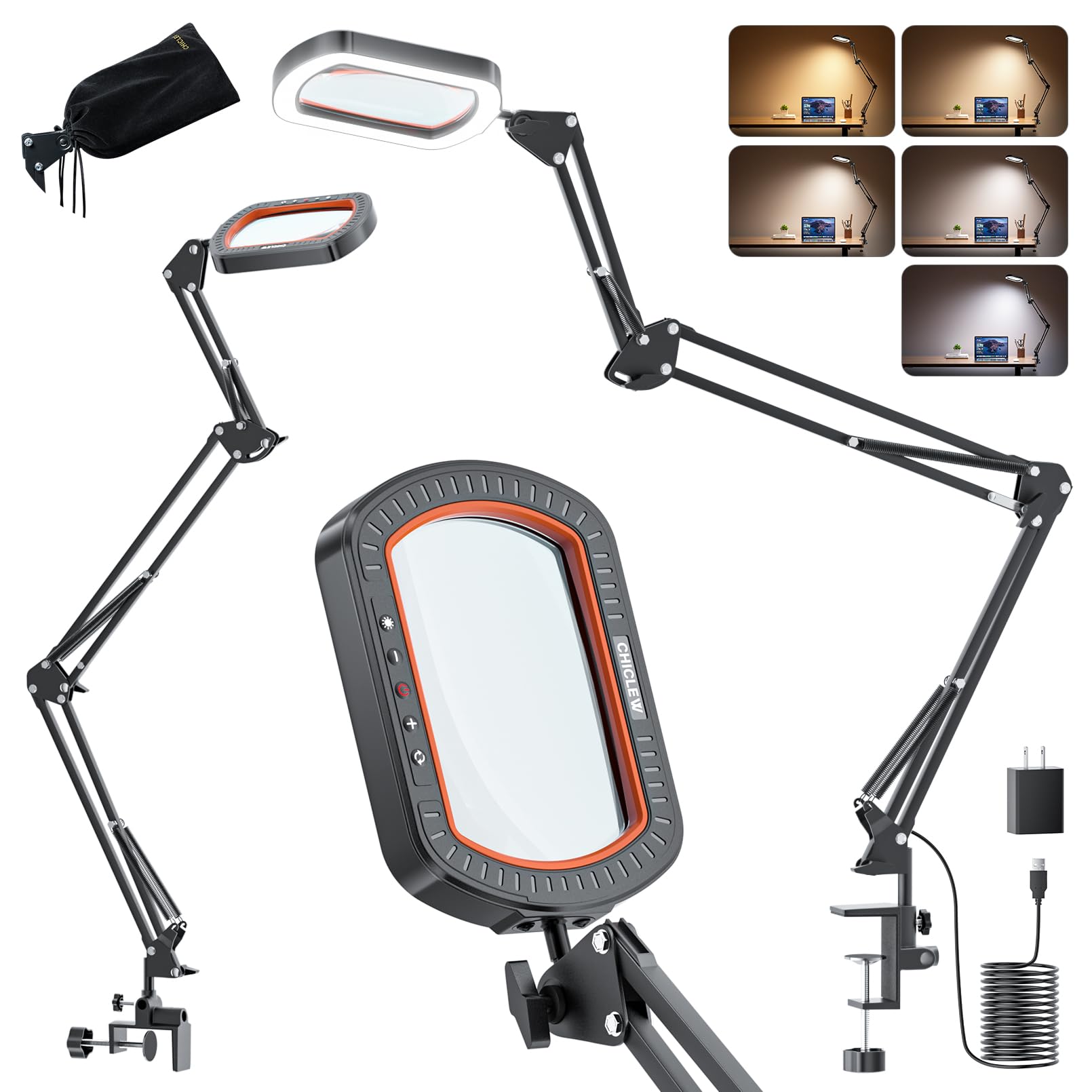
- Rectangular magnifying lens with 10X magnification for close work.
- Five color modes and smooth brightness control let them adjust the light.
- The clamp and extendable arm support flexible desk positioning.
Best Gift For: A family historian who reads small print in records or works with detailed documents at a desk.

Whitelines Graph Ruled Notebooks, 3-Pack

- The set includes three spiral notebooks with graph paper.
- Light gray paper is designed to make the lines less tiring on the eyes.
- The app can remove the page background from notes or drawings.
Best Gift For: A genealogy researcher who likes handwriting timelines, source notes, or family questions.
Cross Classic Century Gold Plated Ballpoint Pen

- The ballpoint pen has a slim profile and swivel-action mechanism.
- It is refillable for continued everyday writing.
- It arrives in a gift box for a polished presentation.
Best Gift For: A family historian who enjoys journaling, note taking, or recording family stories by hand.
Mr. Pen Magnetic Bookmarks, 12-Pack
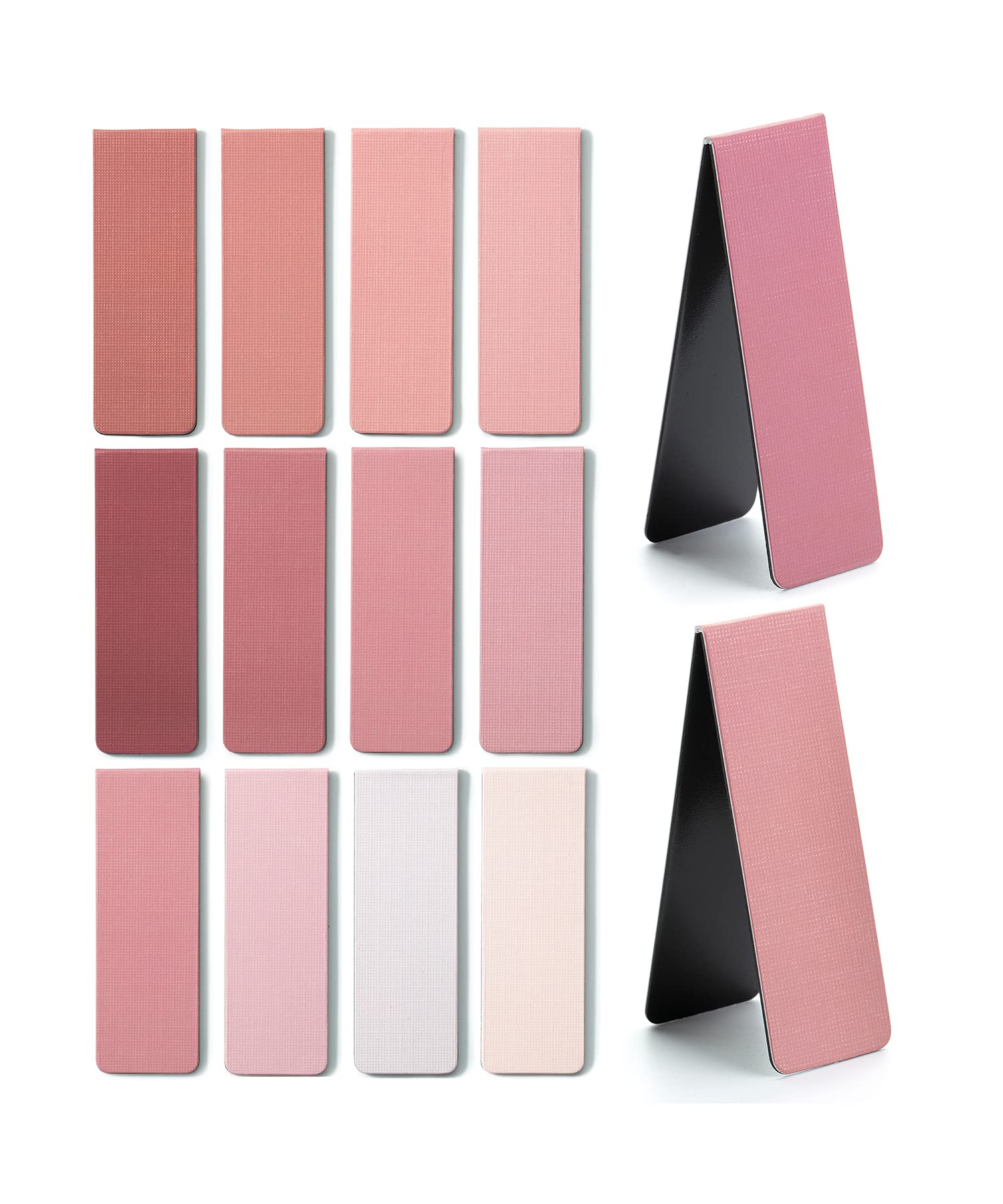
- The pack has twelve bookmarks in boho pink shades.
- Magnets on both sides help keep a page marked in place.
- A water-resistant matte film helps protect each bookmark from spills.
Best Gift For: A family history enthusiast who reads books about genealogy or keeps several research volumes in rotation.
ZEEYUAN 5x7 Family Photo Album
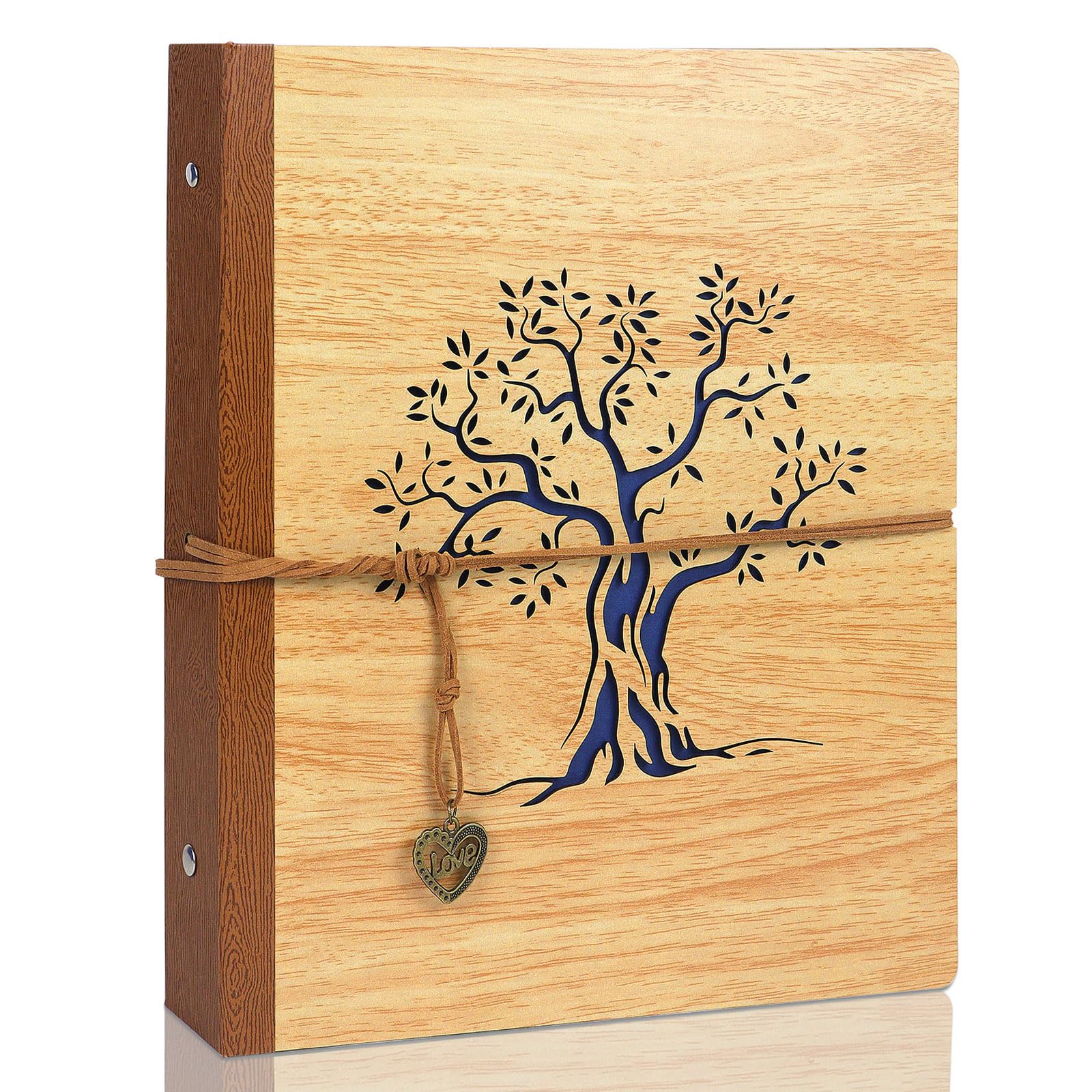
- The album holds 200 horizontal 5x7-inch photos.
- Its three-ring binder opens flat for browsing and can be expanded.
- The sleeves are designed to help shield photos from fingerprints and dust.
Best Gift For: Family members who want to store and browse printed 5x7 photos.
KODAK Dock Plus 4x6 Photo Printer
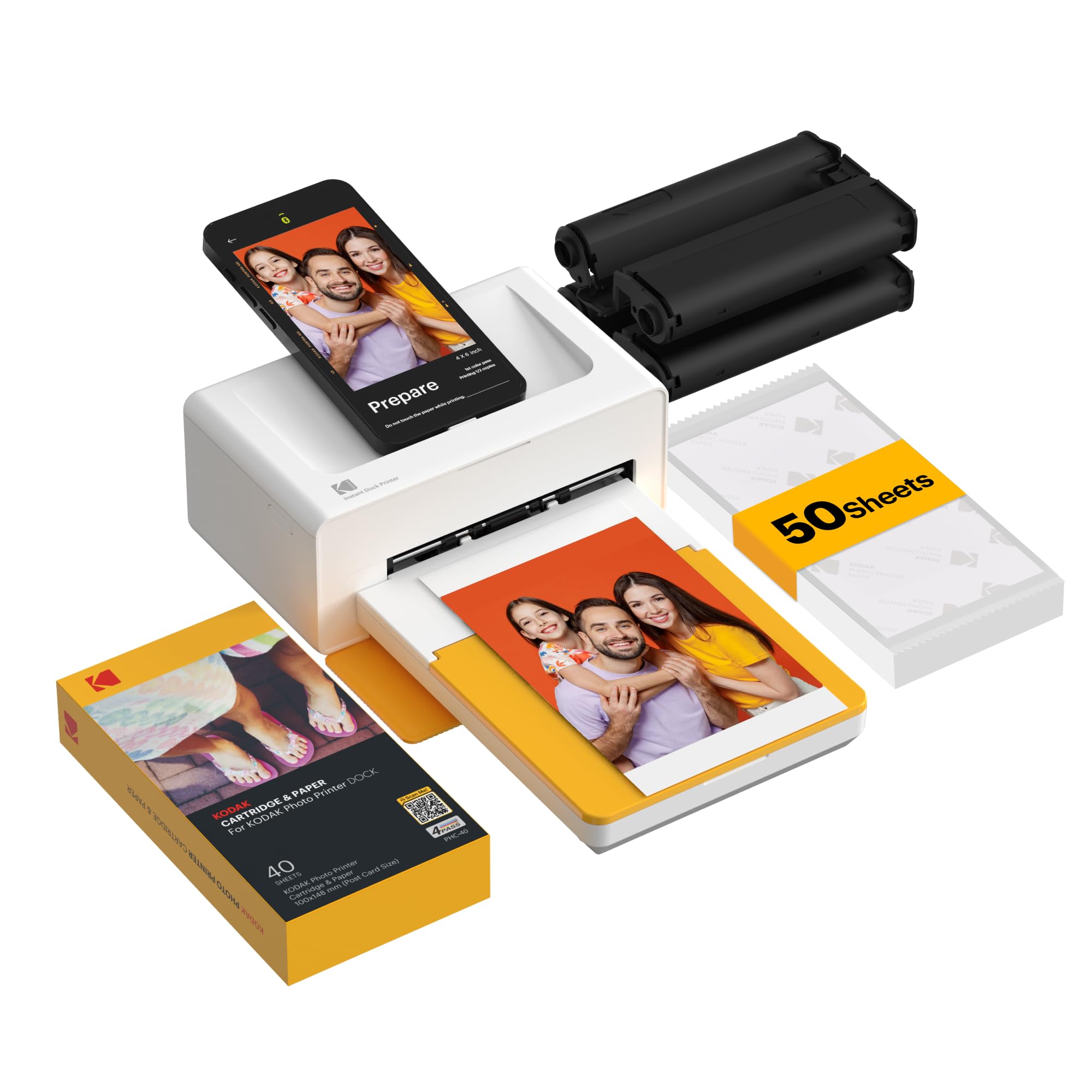
- Prints 4x6-inch photos from compatible smartphones.
- Connects to compatible iOS and Android devices through Bluetooth and the app.
- The app offers photo editing, cropping, and customization before printing.
Best Gift For: A family historian who wants to print phone photos for albums, frames, or family gatherings.
Mr. Pen Heavy Duty Metal Bookends, 8-Pack
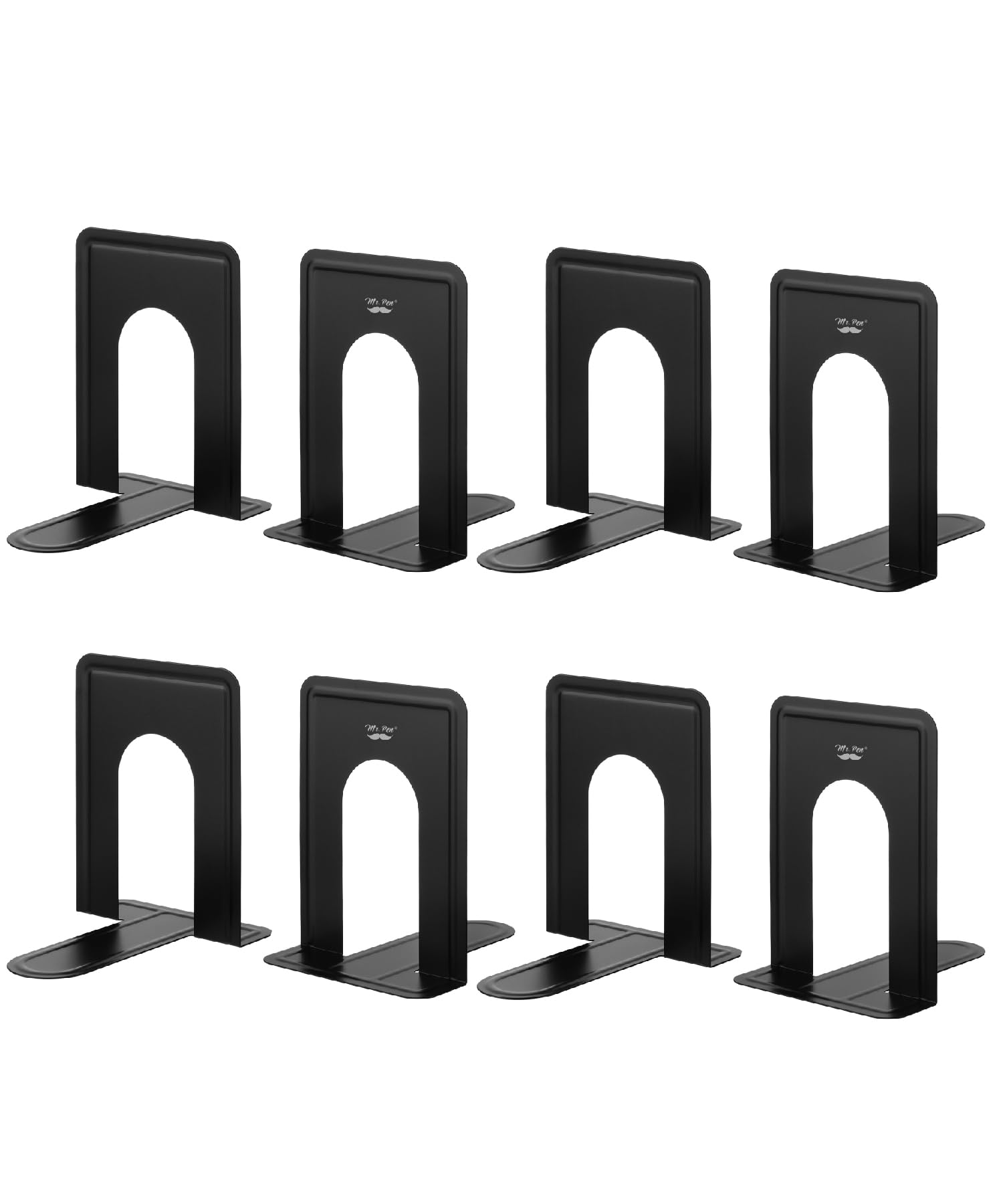
- Eight black metal bookends provide a shelf-organizing set.
- Heavy-duty metal construction is intended to support books and files.
- The black finish is designed to complement home or office decor.
Best Gift For: A family history researcher who wants books, binders, or files kept upright on a shelf.
VASAGLE CUSTOS 5-Tier Bookcase
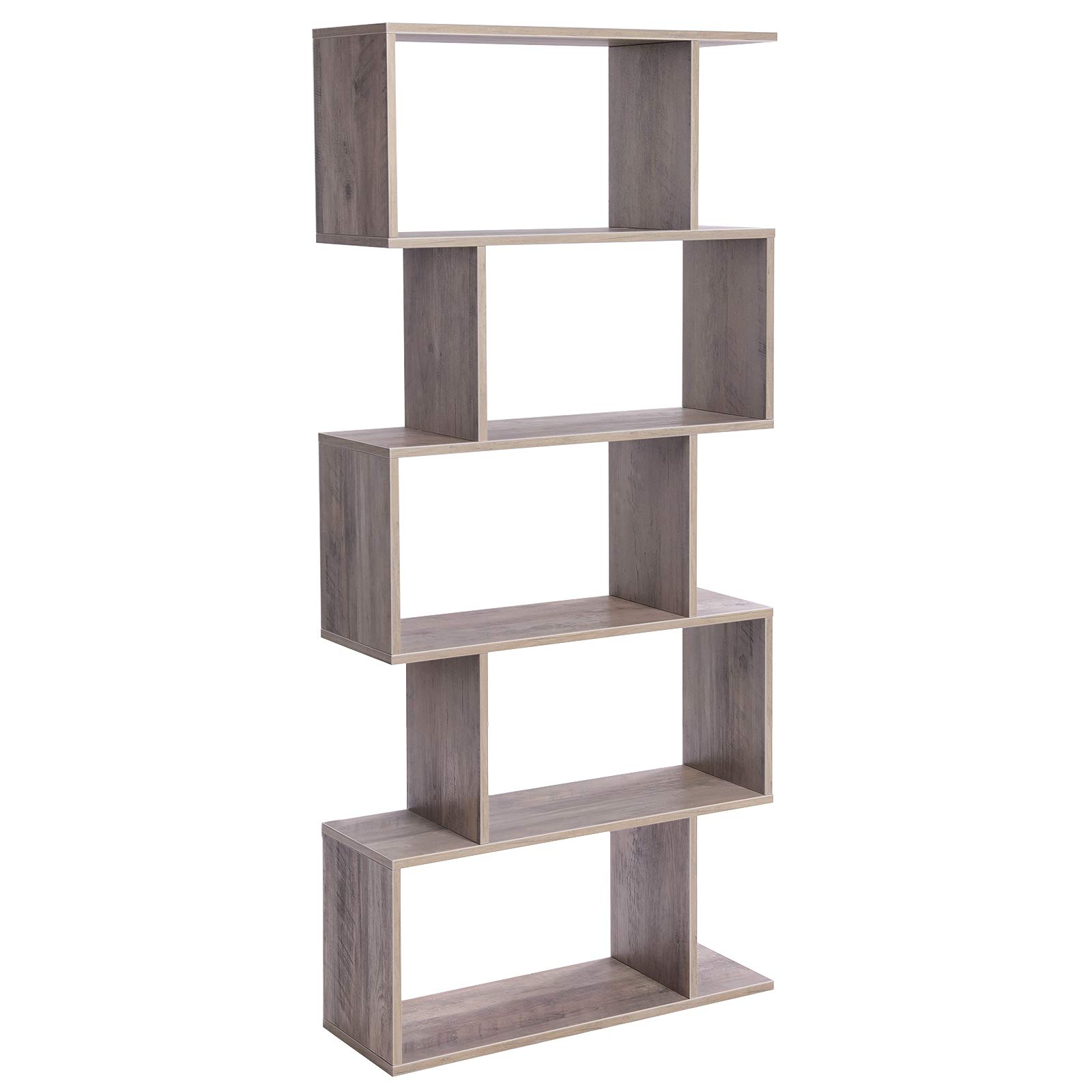
- Open storage on five tiers offers a place for books and materials.
- Two anchoring devices are included to secure the shelf in place.
- Each shelf supports a load capacity of 22 lb.
Best Gift For: A family historian setting up a home research area with space for books and reference materials.
Clever Fox Planner PRO Light, Undated

- The planner has monthly, weekly, and daily planning layouts.
- Its undated format can be started at any time of year.
- A quick-start guide and planning stickers are included.
Best Gift For: A family history researcher who likes organizing research goals, tasks, and appointments on paper.
Phomemo D30 Bluetooth Label Maker with 3 Tapes
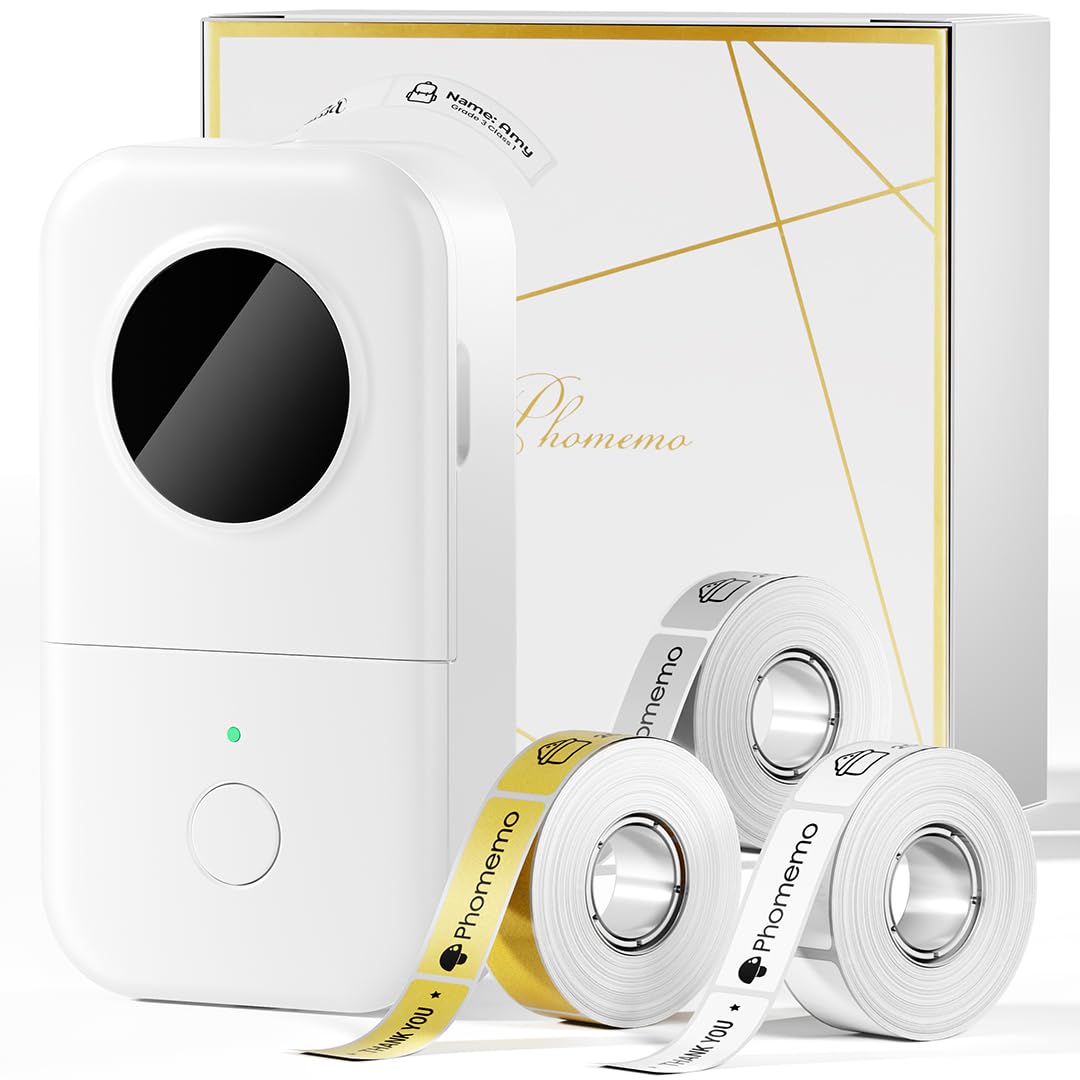
- The package includes white, gold, and clear tapes.
- The thermal printer works without ink, toner, or ribbons.
- It makes labels from mobile devices using a Bluetooth connection.
Best Gift For: A family history enthusiast who labels research folders, storage supplies, or personal archives.
1. Match gifts for people who love genealogy to their research style
The most useful gifts for people who love genealogy fit the way someone already works. A relative who spends evenings comparing records may appreciate a comfortable note-taking setup, while someone who gathers family stories may value a way to preserve photographs for relatives to browse together.
Think about the friction in their routine. Do they struggle to keep research notes organized, read tiny text, manage a growing shelf of books, or turn phone photos into something tangible?
A practical gift that answers one real need is easier to appreciate than a novelty chosen only because it mentions family history.
For a beginner, choose something that invites a simple next step, such as starting a research notebook or sorting a small set of printed family pictures. For a longtime researcher, consider whether a fresh organizational tool or a way to share discoveries would complement the equipment and habits they already have.
2. Choose a comfortable budget and useful scale
Genealogy gifts can be small gestures or larger additions to a research space. A modest choice can still feel personal when it supports a familiar habit: marking reading, writing down a relative’s recollections, or keeping a few active references together.
Price alone does not determine whether a present feels thoughtful.
For a larger purchase, consider the room it will occupy and whether it fits the recipient’s working setup. A shelf or desktop tool can be welcome when there is space for it; otherwise, a compact accessory or notebook may be easier to use and store.
Ask a family member discreetly if you are uncertain about duplicates or available space.
Set a comfortable spending limit before browsing and compare options within it. Check actual prices, dimensions, compatibility, and delivery estimates before ordering.
For devices or furniture, confirm that the recipient’s phone, workspace, and household needs align with the item’s current details.
3. Personalize gifts for people who love genealogy
A small personal touch can connect a useful gift to the family stories that make genealogy meaningful. With gifts for people who love genealogy, consider adding a handwritten note naming a relative, place, or family question that inspired your choice, while leaving room for the recipient to follow their own research interests.
You could also pair a practical item with a starter project: a list of questions for an older relative, a few unlabeled family photographs to identify together, or a note about a story you hope to preserve. Keep the project gentle and optional; family history can involve sensitive memories, uncertain relationships, or details someone may prefer not to share.
Presentation can make the gift feel considered without requiring elaborate wrapping. Use a family photo or a simple card as the finishing touch, and explain why you thought it might suit their routine.
If the present needs setup, include a short offer to help them get started when convenient.
4. Make a considered last-minute choice
When time is short, choose a gift with a clear use and few unknowns. A notebook, bookmarks, or another straightforward accessory may be simpler to select than a device or furniture piece that depends on space, compatibility, or a particular setup.
A note explaining the thought behind it can add warmth without turning the present into a rushed placeholder.
Before checking out, confirm the exact product variant, included components, dimensions, and compatibility on the current product page. For a printer or other device, make sure the recipient can use it with their phone or computer and consider whether any supplies are needed.
For a larger item, check the available space and assembly expectations with someone in the household.
Check current delivery estimates early and have a backup plan if timing is uncertain. You might give a card describing the intended gift, arrange a shared family-history afternoon, or present a smaller related item now and save the main gift for later.
A clear, personal explanation makes the gesture feel complete even when plans need adjusting.